NHL Roster Moves
NHL roster moves are essentially transactions that alter a team’s lineup. The roster move could make the team better or worse. In some cases, the move is inconsequential. Fan favourites could leave for greener pastures. A struggling player could get sent down to the farm team. A lousy contract might get put on waivers. Even worse, players may get strategically buried on the long-term injury reserve list because they’re not worth the cap hit. The possibilities are somewhat endless.
Types of NHL Roster Moves
Don’t worry; Daily Faceoff has you covered when trying to grasp the concept of a league ruled by the complexities of the almighty salary cap. Below, we break down the strategy behind roster moves so you can get a leg up in your DFS league.
Free agent signings
NHL rosters are primarily constructed by player signings. The front office reaches out to what are referred to as “free agents.” Both the front office and the player’s agent work out the terms of a deal. How teams sign deals varies depending on what type of free agents they’re dealing with.
Rookie Deals
Rookie’s sign something called an entry-level contract which is usually capped at a certain amount of money per year. Under the NHL’s current collective bargaining agreement, the longest an entry-level contract can be signed is three years.
Restricted Free Agent Contracts
After that, a player becomes a restricted free agent (RFA). Technically, they can sign with teams outside of who they played for in the past season by accepting an offer sheet. That said, if the player’s first team extends a qualifying offer, any team competing for the player’s services will have to offer up a certain amount of compensation in the form of draft picks. Of course, that’s if the player agrees to the offer sheet and their current team doesn’t match it.
Unrestricted Free Agent Contracts
Players can become unrestricted free agents (UFA) when their current RFA deal is up and they can go wherever they want. If they sign a contract extension, they can sign for up to eight years. Alternatively, they can sign a seven-year deal if they test the open market. Fun fact: pending UFAs might be motivated to play their hearts out to secure the bag in their next deal. Keep that in mind, fantasy players.
Blockbuster trades
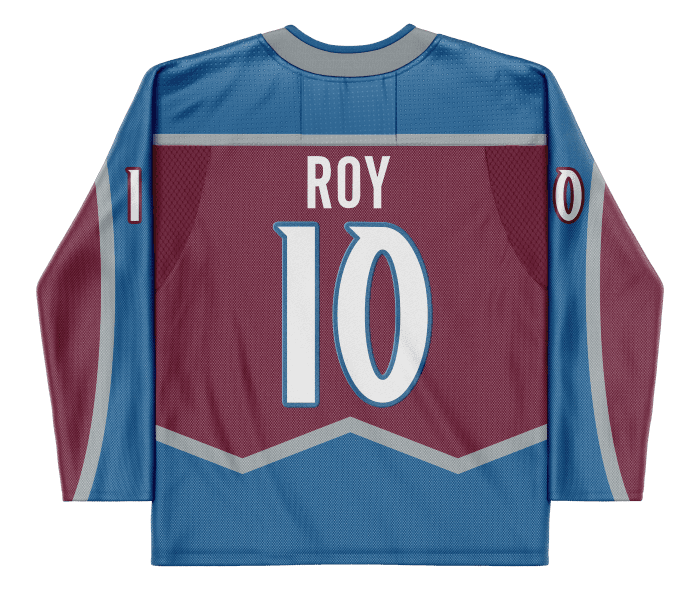
Trades make for some of the most interesting NHL roster moves. To this day, the infamous Patrick Roy deal still gets talked about in NHL circles. What happens in a trade is that two or maybe even three teams link up and iron out a deal. There might be deals that are referred to as “hockey trades,” meaning that both teams get something of equal value. For example, one team gives up a first-line centre for a top-pairing right-handed defenceman. Some NHL trades involve bad teams selling off their moveable assets, such as upcoming free agents, for future considerations, including draft picks or prospects.
Injuries
Depending on how badly a player gets injured, several things can happen. They can be out of a game or two, with the team opting to keep the severity of the injury private (a common pet peeve for fantasy players). Players can be put on the injury reserve for injuries that can keep them out for a calendar week. This frees up a roster spot so someone from within the team’s system, or sometimes outside of it, can come in and replace them while they’re getting back in tip-top shape. If the player needs over a week to recover after a serious injury, they will get put on long-term injury reserve.
Waivers
In typical NHL roster moves jargon, when a player goes on waivers, other teams can claim them from their current team. A player usually goes on waivers when they’re signed to a one-way deal, meaning they can’t be sent down to the minors willy-nilly like a rookie on a two-way deal. Before the player gets sent down, other teams can claim the player on the “waiver wire.” If the player isn’t claimed, they go to the minors to play in the AHL.
Call Ups
Outside of signings, player callups are one of the most popular NHL transactions. Most teams call up players when they’re performing well in the AHL or if there’s an injury on the main roster. Usually, when a player gets called up to the NHL, one gets sent down to the minors.
Contract Buyouts
Of course, you’ve probably worked with someone who’s pretty lazy. People from afar think that person is a “good fit,” but internally, everyone hates the person. Oftentimes, that person finds a way to get fired. Well, newsflash: the same thing happens in NHL dressing rooms. Sometime players who have a history of poor performance have the audacity to ask for more money come contract time. Their team has the option to buyout their contract, or in extreme cases of misconduct, their contract can be terminated. If they’re not being bought out, the front office is laughing while the player’s agent is showing themselves out of the building. For the players who are actually good and could command big bucks on the open market, teams hustle to get them signed up for a new deal. If the player hits the open market, all bets are off…. Coaching Changes
Losing a head coach that sucked at their job and replacing them with a new one can ignite a team. Historically, decent teams perform strongly when they get a new coach. For how long those “strong performances” sustain themselves over the course of a season is a whole other story.
Rules Around NHL Roster Moves
NHL rules aren’t made to be broken. If they’re written in the collective bargaining agreement (CBA), you may as well say they’re written in stone. Let’s talk about those “set in stone” rules.
Trade Deadline
Teams have a certain amount of time each season to make NHL trades and signings. The date varies from season to season, but it usually falls between the end of February and early March so that roster’s are set before the Stanley Cup playoffs begin. After the deadline, players can still be moved, but they will not be eligible to play for the rest of the regular season or playoffs. You’ll usually see prospects who are playing abroad get dealt after the deadline, if any trades are made at all.
[Editor’s note: can include link to new DFO Stanley Cup page here]
Strategy Behind NHL Roster Moves
General managers and hands-on hockey ops executives are always thinking about the future. If their team is going to miss the playoffs and it’s a good draft year, they might be inclined to sell, meaning they’ll try to offload decent players in return for cap space, draft picks and younger players. The opposite can be said for good teams. They’ll be looking to add to what they already have to make a run for the cup.
If you’re a DFS player or even in a dynasty league, you can exploit that by buying low on players who are playing for bad teams but have the potential to increase their production if they get traded to a good team. Having access to a good data set can help ease the trouble of anticipating how good a player will be going to and from a certain team.
The Salary Cap
When general managers sleep at night, they probably have nightmares about the salary cap. “The cap,” as hockey insiders like Frank Seravalli refer to it when discussing NHL transactions, dictates how much a team can spend on its roster. There’s a “floor,” meaning a team has to spend at least this much per year. Then, there’s a “ceiling” that teams can’t go over lest they pay the price in draft pick compensation and fines, amongst other things. The salary cap makes it difficult for teams to trade players with high cap hits. It also creates a market in itself for teams that want to get over the “floor” by taking on other teams’ bad contracts. In a world beyond reality, most would favour a luxury tax system like the one Major League Baseball implements.
How NHL Roster Moves Impact Sports Betting
Look, if you don’t want to put up with another year of getting beat by your co-worker’s child in fantasy, you have to put as much effort into your team as that 10-year-old weasel will. That means keeping up with the news. Changing your lineups on a daily basis. Trading players at their peak value. Buying them from others when they’re at their lowest. For the love all of things good, change your injured players out for healthy ones. If you’re a sports bettor, any NHL roster can change the money line or the total in a game, especially if a star player is hurt or a team is playing its third-string goalie. Staying in the loop will give bettors a better chance at finding an edge.